Apartment Mold Remediation
Professional mold removal and remediation for apartments to restore safe living conditions.
Apartment mold remediation in Rehoboth, MA, addresses hidden or widespread mold growth in rental units, using containment, removal, and drying to restore safe living conditions. Without proper cleanup, spores can spread through air ducts and return within months if moisture sources aren’t fixed.
Local regulations require licensed contractors for work over $1,000, ensuring compliance with Massachusetts’ Home Improvement Contractor (HIC) registration rules.
We also handle Salt Air Mold Remediation and Storm Damage Mold Cleanup for Rehoboth properties.
When mold needs professional remediation
Mold covering more than a small patch or returning after cleaning often signals a deeper issue. Growth hidden behind walls, under flooring, or inside HVAC systems may require cutting into materials to remove it safely.
Musty odors with no visible mold, or smells that worsen when heating/cooling runs, suggest hidden contamination.
Rehoboth’s humid climate and older housing stock increase risks, especially in windowless rooms or basements. A professional assessment determines whether the problem is surface-level or structural, and whether moisture sources—like leaks or poor ventilation—must be addressed to prevent recurrence.
Signs Your Mold Problem Needs a Contractor
- Mold covers more than 25 contiguous square feet (the Massachusetts threshold for DIY cleanup).
- Growth returns within weeks after cleaning, even after wiping surfaces.
- A musty smell persists with no visible mold, or worsens when HVAC runs.
- Materials like drywall or insulation show deep discoloration or crumbling.
- You suspect hidden mold behind walls, under flooring, or in ducts.
What affects cost and timeline
Pricing depends on the size of the affected area, the type of materials involved, and whether hidden moisture sources need repair. Containment, HEPA filtration, and clearance testing add to the cost but ensure spores don’t spread. Jobs in older homes may take longer due to structural drying requirements.
Apartment units often require coordination with landlords or property managers, which can delay access. Complex cases—like mold in shared HVAC systems or behind finished walls—may need phased work to avoid disrupting daily life.
After remediation: what homeowners should do
Post-remediation, check humidity levels in previously affected rooms for the first year, as recurrence often starts small. Use fans or dehumidifiers in persistently damp spaces—like windowless bathrooms or basements—to prevent stagnant air from fostering regrowth.
Fix any lingering moisture issues, such as grading problems or leaky pipes, to stop the cycle. If mold returns, it’s usually a sign the original source wasn’t addressed.
Periodically inspect areas prone to dampness (e.g., under sinks, behind appliances) for new growth. Early detection makes cleanup easier and cheaper.
How apartment mold remediation works
- 1Containment Setup
Plastic sheeting and negative-air machines seal the work area to trap spores. This prevents them from spreading to unaffected parts of the unit during removal.
- 2Material Removal or Cleaning
Porous materials like drywall or carpet padding are cut out and bagged, while non-porous surfaces (tile, metal) are scrubbed and treated. This step targets deep-seated mold that can’t be wiped away.
- 3HEPA Filtration and Drying
HEPA air scrubbers run continuously, and surfaces are vacuumed with HEPA filters to capture spores. Industrial dehumidifiers dry framing and subfloors to moisture-safe levels before sealing the space.
- 4Clearance Testing
An independent lab tests air or surfaces post-remediation to confirm spore counts are back to normal levels. This step ensures the work meets safety standards before containment is removed.
Frequently asked questions
Can I clean small mold patches myself, or should I call a professional?
Surface mold covering less than 25 square feet can often be cleaned with detergent and water, but growth that returns or spreads suggests a deeper issue. If you’re unsure, a professional assessment helps determine whether containment and material removal are needed.
Will remediation remove mold from my HVAC system?
If mold is suspected in ducts, the system may need to be inspected and cleaned separately. A musty smell that worsens when heating/cooling runs is a key sign of duct contamination.
How long does it take to remediate an apartment unit?
Timelines vary based on size and complexity, but containment, removal, and drying typically take 1–3 days. Clearance testing adds another 1–2 days. Older homes may require extra time for thorough drying.
Do I need to move out during remediation?
Not usually. Containment keeps spores localized, but you may need to avoid the affected area until testing confirms it’s safe. Discuss occupancy plans with your contractor upfront.
See Sharon, MA for more, or Rehoboth's local mold remediation experts for our complete lineup.
Ready to get started?
Talk to a local mold remediation pro in Rehoboth — get a written quote.
Other Mold Remediation Services in Rehoboth
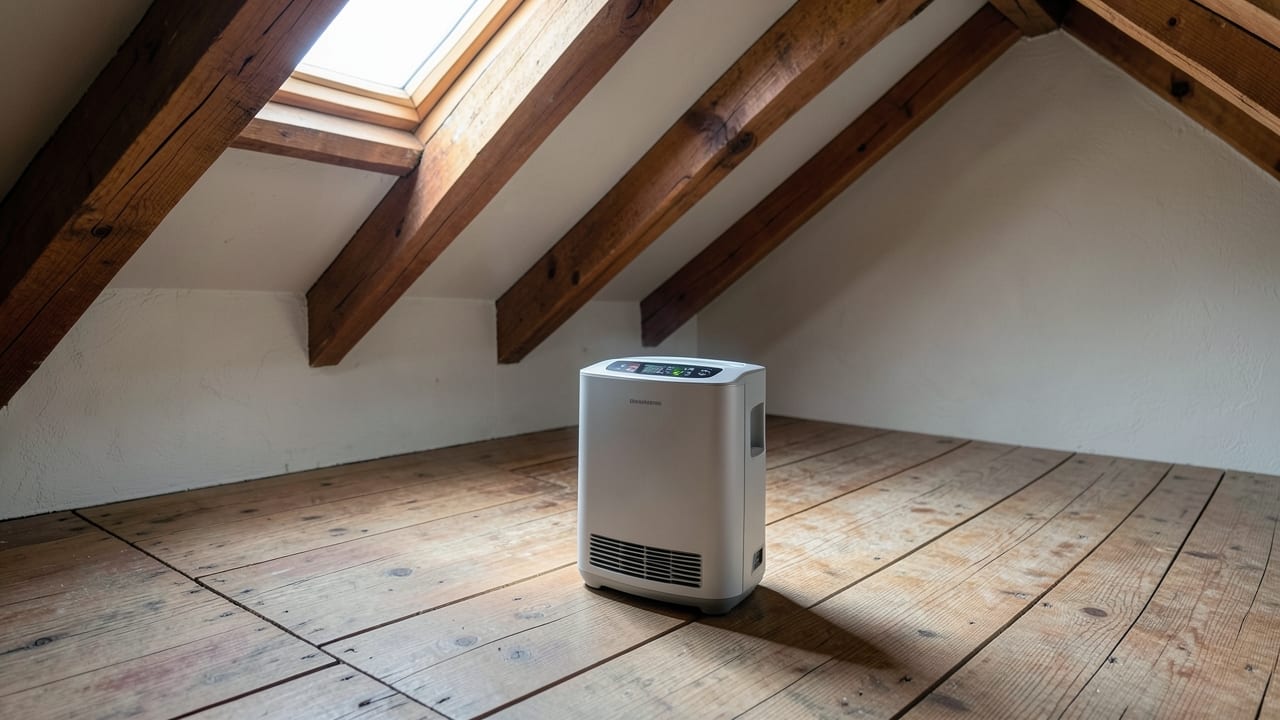
Salt Air Mold Remediation in Rehoboth, MA
Professional mold assessment, containment, removal, and prevention in affected areas of the home.
Learn More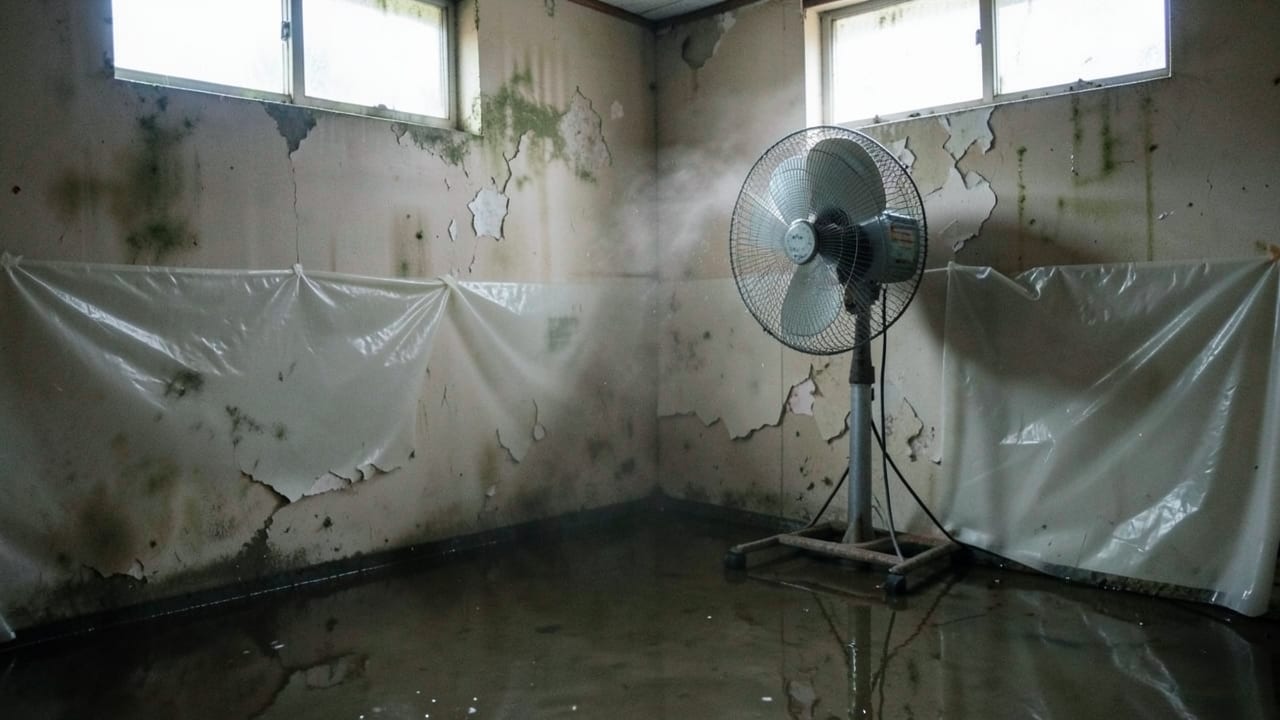
Storm Damage Mold Cleanup in Rehoboth, MA
Professional cleanup and remediation of mold caused by storm-related water damage in homes.
Learn More
Spring Mold Inspection in Rehoboth, MA
Professional assessment and identification of mold growth in homes.
Learn More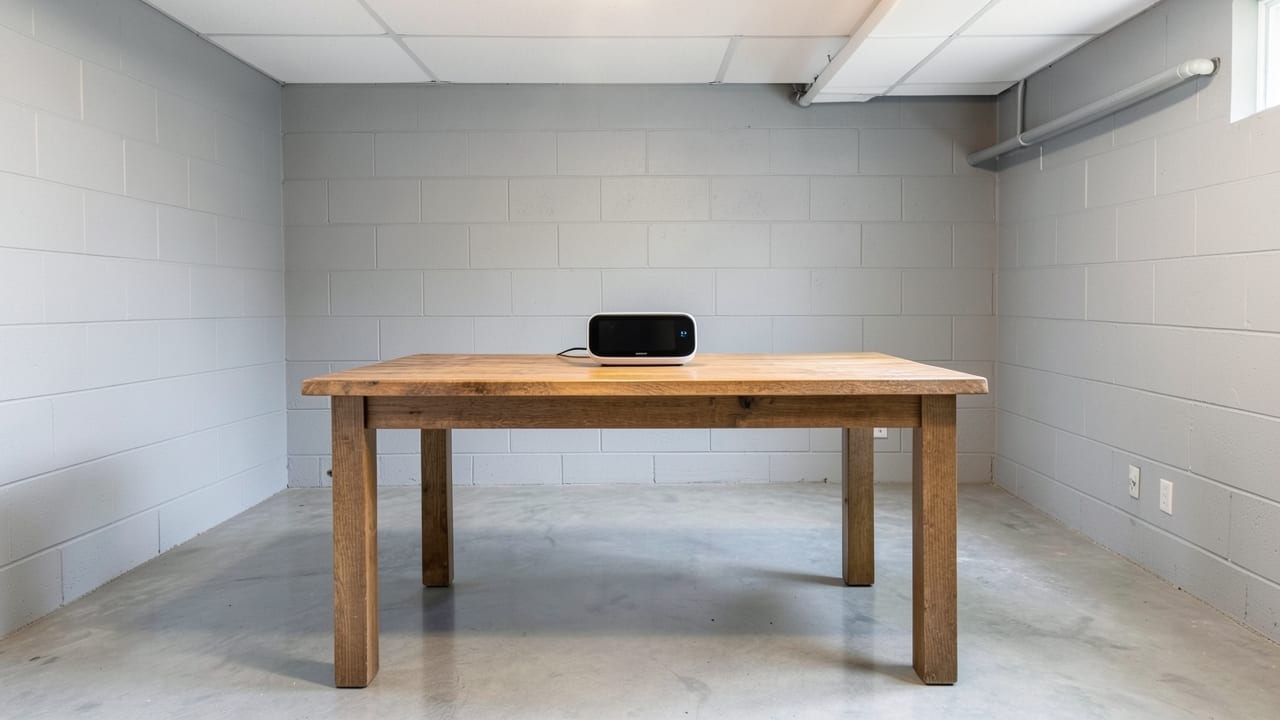
Pre-Sale Mold Clearance in Rehoboth, MA
Pre-sale mold clearance involves inspection and testing to confirm a property is mold-free before purchase.
Learn More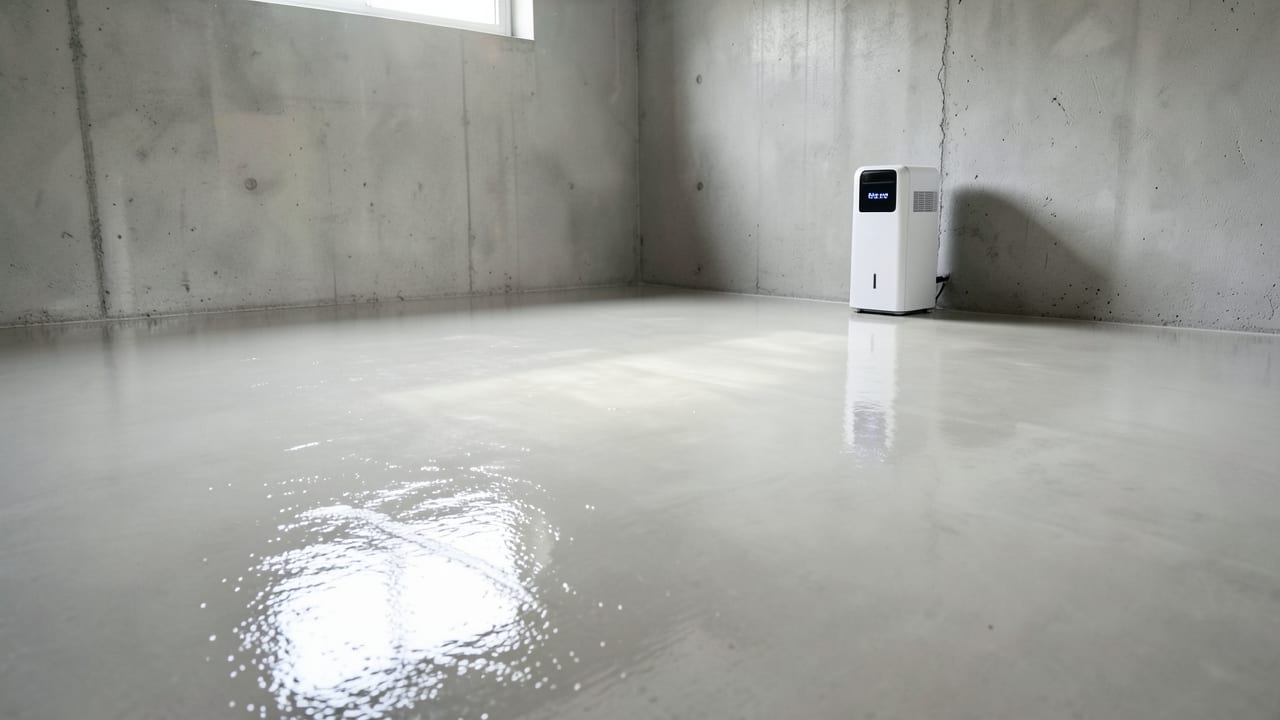
Post-Remediation Sealing in Rehoboth, MA
Applying protective sealants to surfaces after mold remediation to prevent future growth.
Learn More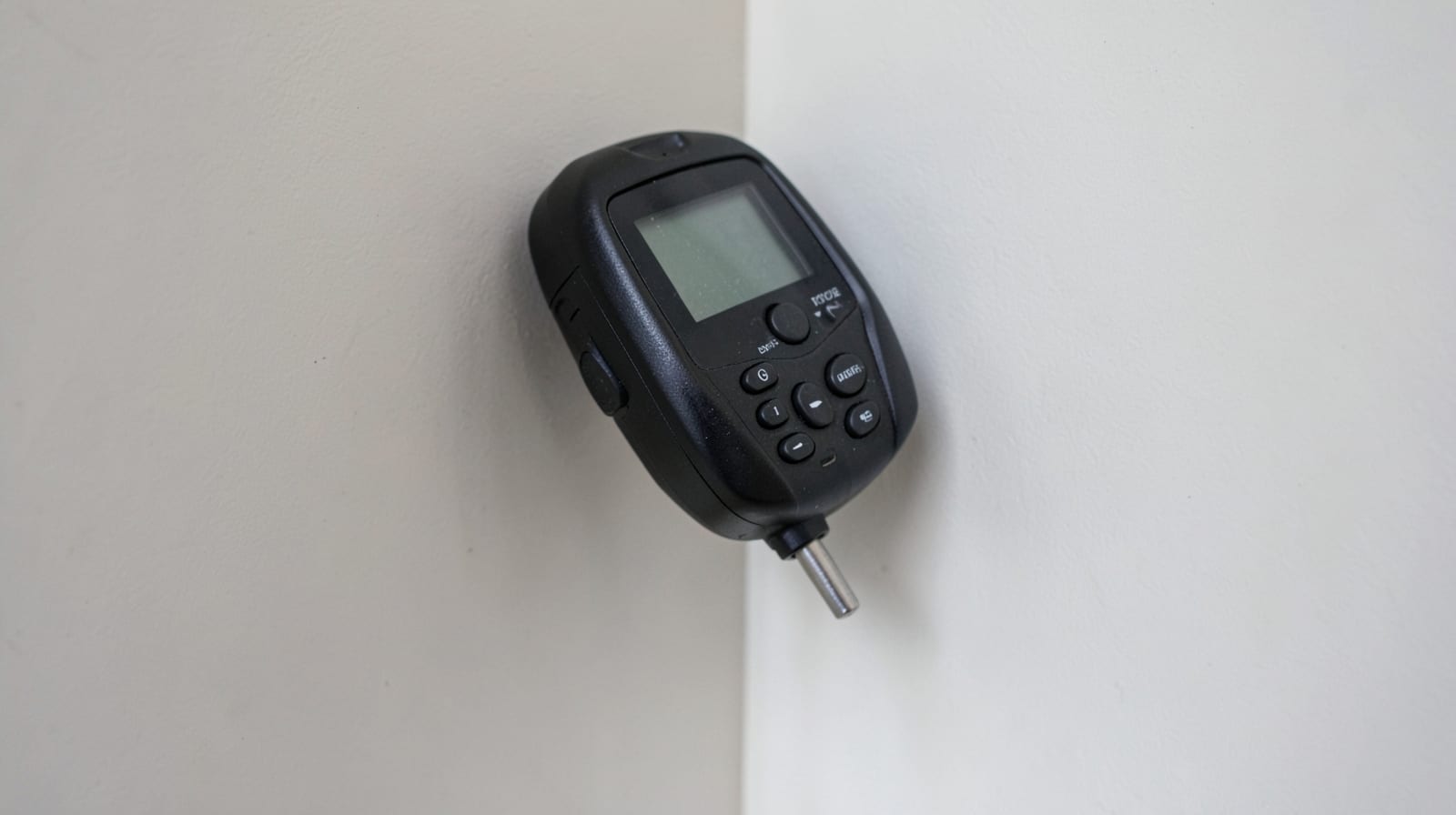
Mold Inspection in Rehoboth, MA
Mold inspection in Rehoboth, MA — a visual and moisture-meter assessment that finds the source of growth, not just the visible spot on the wall.
Learn MoreCommon Questions About Mold Remediation in Rehoboth
Everything you need to know about mold remediation services in Rehoboth
How much does Apartment Mold Remediation typically cost in Rehoboth, MA?
Why does Rehoboth, MA's humidity make mold a bigger risk than in drier regions?
How long does a typical mold remediation job take?
Is it safe to stay in the home during mold remediation?
Can small mold problems be handled without hiring anyone?
What's the actual difference between mold removal and mold remediation?
Need Mold Remediation in Rehoboth?
Connect with local providers in Rehoboth for a detailed quote.
⏰ We answer your call • Serving all of Rehoboth and surrounding areas